What Happens During a Professional Tree Removal?
Removing a tree is one of the most significant landscaping projects a homeowner or business owner can undertake. While healthy trees add beauty, shade, and value to a property, trees that are dead, diseased, storm-damaged, or structurally unstable can quickly become serious safety hazards.
Many property owners wonder what actually happens during a professional tree removal. Is it simply a matter of cutting the tree down, or is there more involved? In reality, safe tree removal is a carefully planned process that requires specialized equipment, technical knowledge, and attention to detail.
For homeowners and businesses in Caldwell, Bryan, Brenham, and throughout Central Texas, understanding the tree removal process can help you prepare for the project and appreciate the importance of hiring experienced professionals. Whether you're removing a hazardous tree near your home or clearing land for a new project, professional tree removal protects both your property and the people around it.
Why Trees Need to Be Removed
Whenever possible, preserving a healthy tree is the preferred option. However, there are situations where removal is the safest and most practical solution.
Common reasons for tree removal include:
- Dead trees
- Severe storm damage
- Large cracks in the trunk
- Extensive disease
- Root failure
- Trees leaning dangerously
- Trees growing too close to buildings
- Construction or land development
- Interference with utility lines
- Trees that have become structurally unsafe
Ignoring these issues can increase the risk of falling limbs, property damage, and personal injury.
Step 1: Initial Property Assessment
Every professional tree removal begins with a thorough inspection.
Before any equipment arrives, the tree is carefully evaluated to determine the safest removal method.
During the assessment, professionals consider:
- Tree height
- Tree species
- Overall health
- Lean direction
- Trunk condition
- Branch structure
- Nearby buildings
- Power lines
- Fences
- Landscaping
- Vehicle access
- Ground conditions
No two tree removals are exactly alike. Every property presents unique challenges that influence the removal plan.
Step 2: Identifying Potential Hazards
Safety is the highest priority throughout the removal process.
Professionals carefully identify anything that could affect the project, including:
Structures
Homes, garages, sheds, patios, and fences all require protection during removal.
Utility Lines
Trees growing near electrical or communication lines require additional planning and may involve coordination with utility companies.
Traffic and Pedestrians
Trees located near roads or sidewalks often require temporary safety measures to protect passing vehicles and pedestrians.
Landscaping
Flower beds, irrigation systems, decorative fencing, and outdoor features are evaluated to minimize damage during the project.
Planning ahead significantly reduces risk throughout the removal process.
Step 3: Preparing the Work Area
Before cutting begins, the work zone is prepared.
Preparation may include:
- Removing outdoor furniture
- Moving vehicles
- Protecting landscaping
- Establishing safety zones
- Positioning equipment
- Confirming escape routes for workers
Creating an organized work area improves efficiency while reducing potential hazards.
Step 4: Gathering the Right Equipment
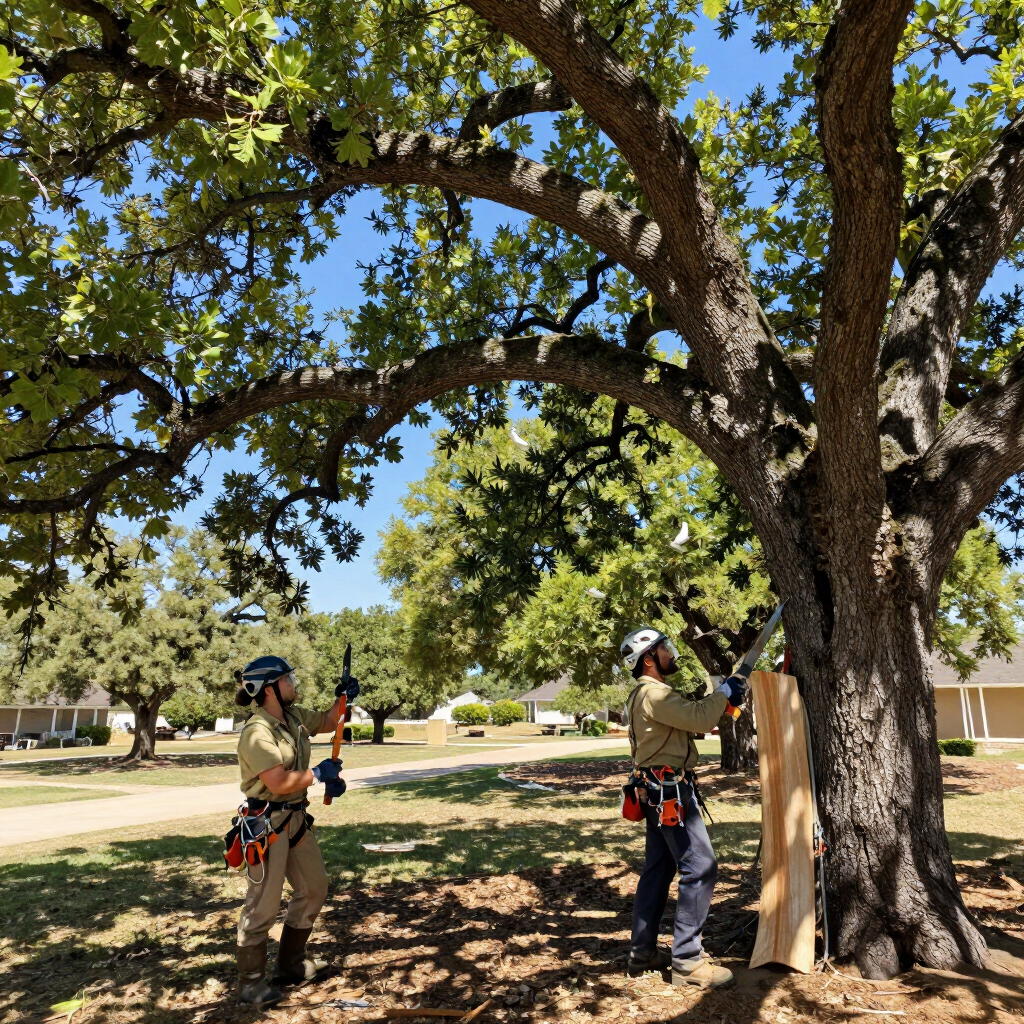
Professional tree removal requires specialized equipment that allows crews to work safely and efficiently.
Depending on the project, equipment may include:
- Chainsaws
- Pole saws
- Climbing ropes
- Harnesses
- Rigging equipment
- Wood chippers
- Bucket trucks
- Cranes for large removals
- Stump grinders
- Safety helmets
- Eye and hearing protection
Using professional-grade equipment helps ensure the tree is removed in a controlled manner.
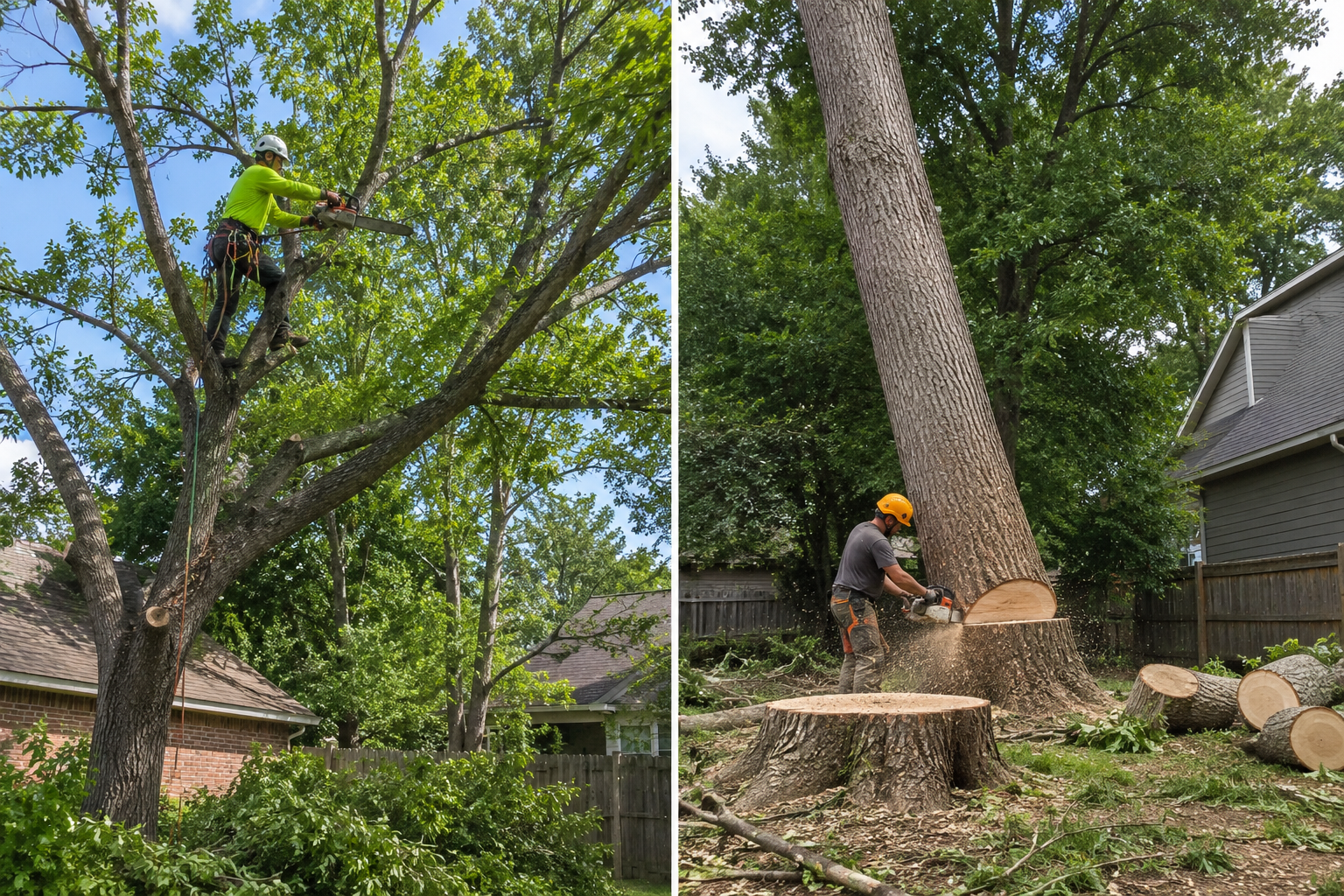
Step 5: Removing the Tree in Sections
Many homeowners imagine an entire tree being cut at the base and falling to the ground.
In reality, this approach is rarely possible in residential neighborhoods.
Instead, most professional tree removals are completed in carefully controlled sections.
The process usually begins at the top of the tree.
Branches are removed one at a time before larger limbs and trunk sections are lowered safely to the ground.
This method helps prevent damage to nearby:
- Homes
- Vehicles
- Landscaping
- Utility lines
- Fences
Removing the tree piece by piece provides much greater control throughout the project.
Step 6: Controlled Lowering of Large Limbs
Large branches cannot simply be dropped onto the ground.
Instead, professionals use ropes and rigging systems to guide heavy limbs safely.
This controlled lowering process helps protect nearby structures and landscaping while reducing the chance of unexpected movement.
Each cut is carefully planned before it is made.
Step 7: Cutting Down the Main Trunk
Once the upper canopy has been removed, attention turns to the trunk.
Depending on available space, the trunk may be:
- Lowered in sections
- Removed using rigging systems
- Cut at the base if there is adequate room
The method depends entirely on the property's layout and surrounding obstacles.
Large trees in confined spaces almost always require sectional removal.
Step 8: Cleanup and Debris Removal
Professional tree removal includes much more than cutting down the tree.
After removal, crews typically clean the work area by:
- Collecting branches
- Chipping smaller limbs
- Removing logs
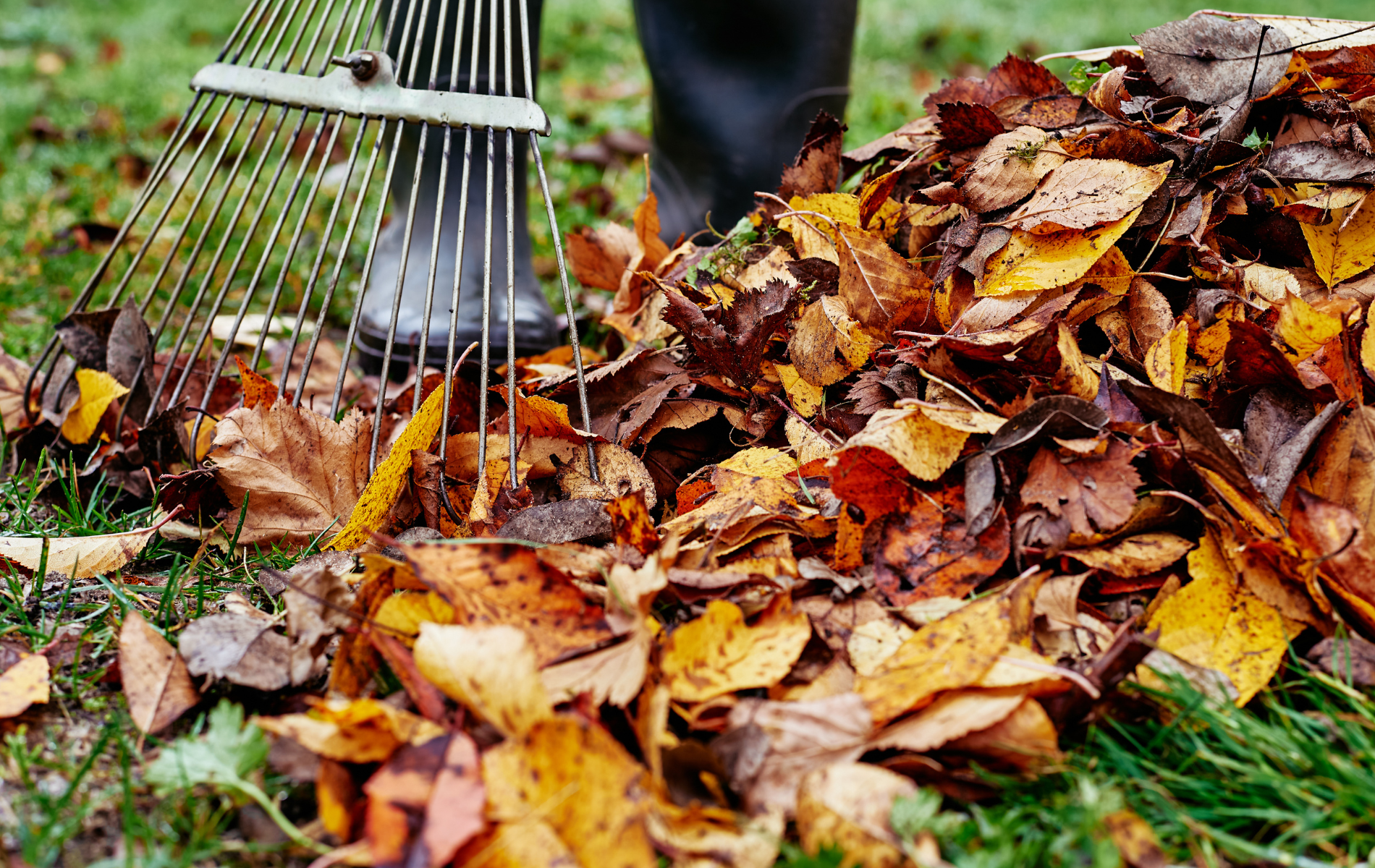
- Raking debris
- Blowing sawdust from hard surfaces
A thorough cleanup helps restore the appearance of the property and reduces safety hazards.
What Happens to the Wood?
Many homeowners wonder what becomes of the removed tree.
Depending on your preferences, the wood may be:
- Hauled away
- Cut into firewood
- Chipped into mulch
- Recycled
- Left for homeowner use
Discussing these options before the project begins helps ensure the final result meets your expectations.
Should the Stump Be Removed?
After the tree is gone, the stump remains.
Many property owners choose to have the stump removed for several reasons.
Stump removal can:
- Improve curb appeal
- Eliminate tripping hazards
- Prevent insect infestations
- Create usable yard space
- Make mowing easier
- Reduce the chance of unwanted sprouting
Grinding or removing the stump also allows for future landscaping improvements or new tree planting.
How Long Does Tree Removal Take?
Every project is different.
Several factors influence the timeline, including:
- Tree size
- Tree condition
- Number of trees
- Property access
- Weather
- Nearby structures
- Cleanup requirements
Small trees may be removed in a few hours, while large or complex removals can require a full day or longer.
An experienced tree service can provide a more accurate estimate after evaluating the property.
Emergency Tree Removal
Central Texas weather is known for producing powerful thunderstorms, strong winds, and occasional ice storms.
Emergency tree removal may be necessary when trees have:
- Fallen onto homes
- Blocked driveways
- Damaged fences
- Broken into utility lines
- Become unstable after severe weather
Prompt removal helps prevent additional damage and restores safe access to your property.
Why Professional Tree Removal Is Safer
Tree removal is one of the most hazardous types of outdoor work.
Unexpected tree movement, hidden decay, and heavy branches create risks that require proper training and equipment.
Professional crews understand how to:
- Evaluate tree stability
- Predict fall direction
- Use specialized rigging
- Protect surrounding property
- Operate equipment safely
- Manage difficult removals
Attempting large tree removals without proper experience can result in serious injury or costly property damage.
Preparing Your Property Before Tree Removal
Homeowners can help the project go smoothly by preparing the property in advance.
Helpful steps include:
- Moving vehicles away from the work area
- Securing pets indoors
- Clearing outdoor furniture
- Informing neighbors if necessary
- Providing clear access to the tree
These simple preparations help crews work efficiently and safely.
Tree Removal and Overall Property Health
Removing a hazardous tree often improves the overall health of your landscape.
Benefits may include:
- More sunlight reaching the lawn
- Reduced competition for water
- Improved air circulation
- Better growing conditions for surrounding plants
- Increased safety
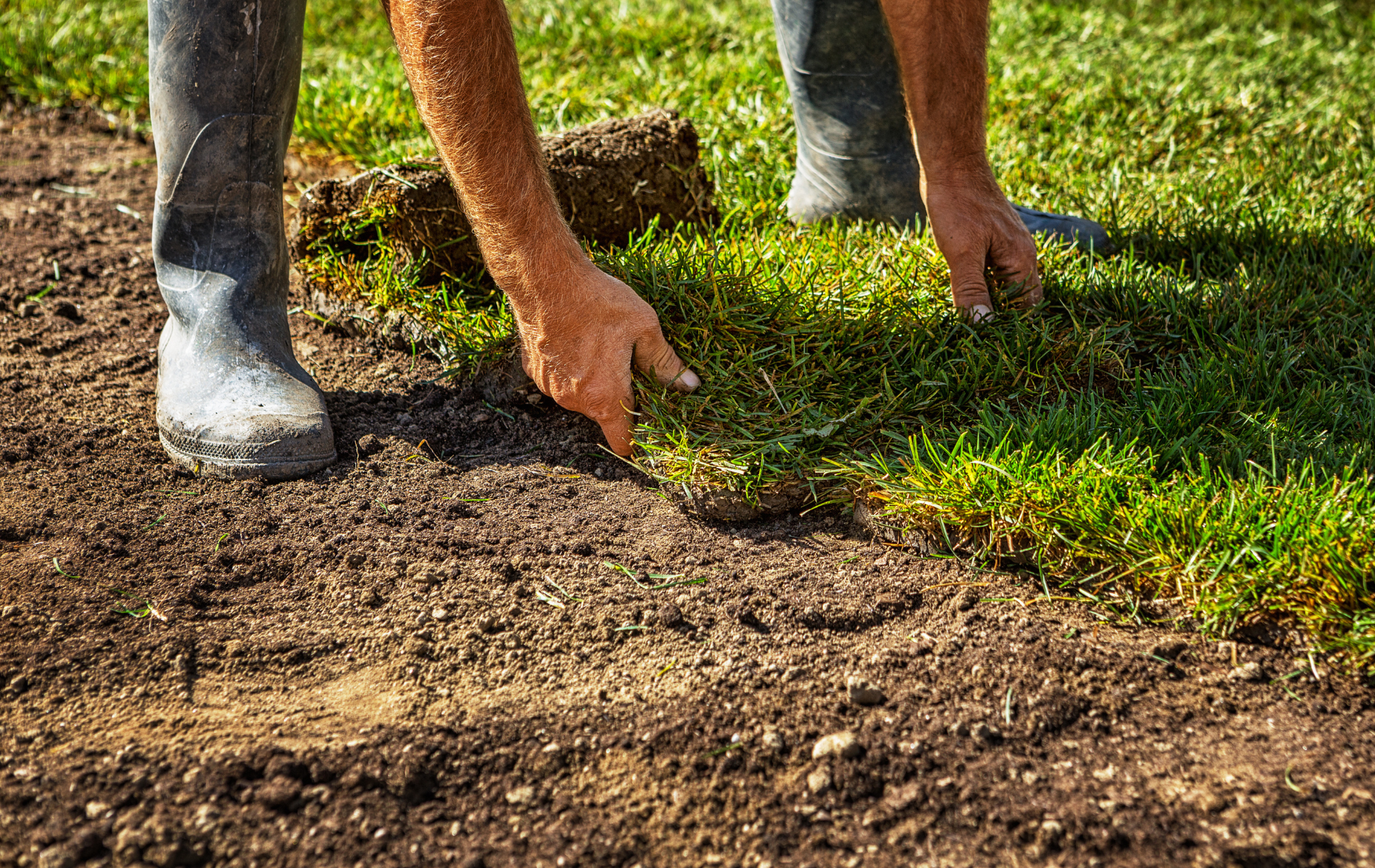
Many homeowners choose to follow tree removal with sod installation, tree planting, or landscape improvements to enhance the appearance of the property.
Why Choose DD Lawn Tree Service?
DD Lawn Tree Service proudly provides professional tree removal services for homeowners and businesses throughout Caldwell, Bryan, Brenham, and surrounding Central Texas communities.
Our experienced team carefully evaluates every project to determine the safest and most efficient removal method. From small ornamental trees to large, mature trees in confined spaces, we focus on protecting your property while delivering dependable, professional service.
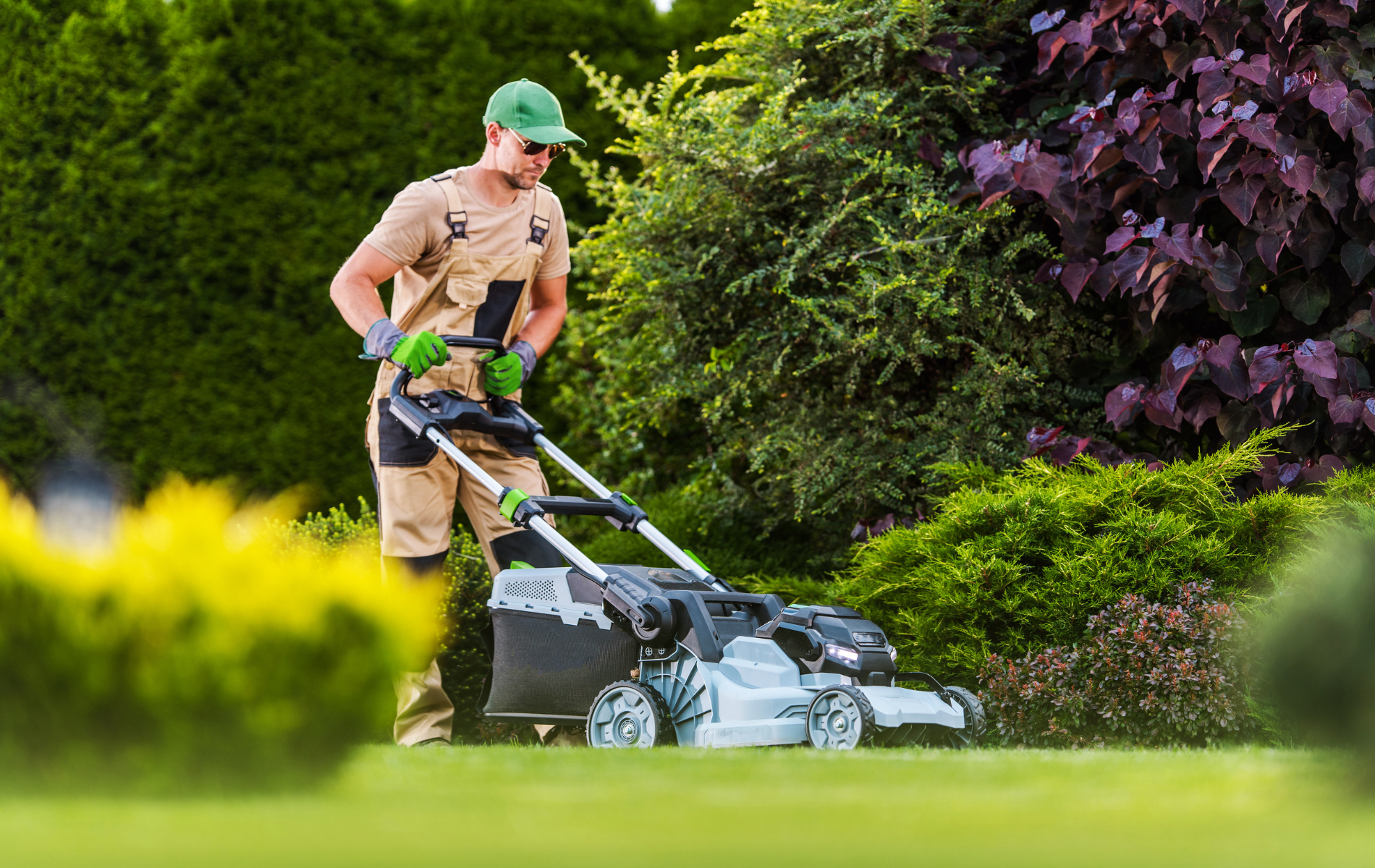
In addition to tree removal, we offer tree trimming, stump removal, lawn maintenance, land clearing, and sod installation to help you maintain a healthy, attractive landscape year-round.
Frequently Asked Questions
How do I know if my tree should be removed?
A tree may need removal if it is dead, severely diseased, structurally unstable, leaning unexpectedly, or poses a risk to nearby people or property. A professional inspection can determine the safest course of action.
Can a tree be removed without damaging my yard?
Professional tree removal companies use specialized equipment and carefully planned techniques to minimize impact on lawns, landscaping, driveways, and surrounding structures.
Should I stay home during tree removal?
Many homeowners choose to remain home during the project, but it is not always necessary. Your tree service provider can discuss scheduling and property access before work begins.
Is stump grinding included with tree removal?
Tree removal and stump grinding are often separate services. Be sure to discuss your preferences when requesting an estimate so the work can be scheduled accordingly.
Can you remove trees close to a house?
Yes. Trees located near homes, garages, fences, or other structures are commonly removed using sectional techniques and specialized rigging equipment to safely lower branches and trunk sections without causing damage.
Safe Tree Removal Starts with the Right Team
Removing a tree is a complex project that requires careful planning, specialized equipment, and experienced professionals. From the initial inspection to the final cleanup, every step plays an important role in protecting your property and ensuring the job is completed safely. If you have a tree that is damaged, diseased, or creating a safety concern, DD Lawn Tree Service proudly serves Caldwell, Bryan, Brenham, and surrounding Central Texas communities with dependable tree removal services you can trust.
Recent Posts