How Often Should You Mow Your Lawn in Texas?
One of the most common questions homeowners ask is, "How often should I mow my lawn?" While there isn't a one-size-fits-all answer, mowing your lawn at the proper frequency is one of the most important steps in maintaining healthy, attractive grass. In Texas, where weather conditions can change quickly and grass grows at different rates throughout the year, understanding when and how often to mow can make a significant difference in the overall health of your lawn.
For homeowners and commercial property owners in Caldwell, Bryan, Brenham, and surrounding Central Texas communities, regular mowing helps encourage thick, healthy turf while reducing weeds, minimizing pests, and improving curb appeal. Mowing too often—or not often enough—can stress your lawn and create problems that become expensive to correct.
This guide explains how frequently you should mow your lawn in Texas, what factors affect mowing schedules, and how professional lawn maintenance can help keep your property looking its best throughout the year.
Why Mowing Frequency Matters
Many people think mowing is simply about keeping grass short. In reality, mowing is one of the most important cultural practices for maintaining healthy turfgrass.
Proper mowing encourages:
- Stronger root systems
- Thicker grass growth
- Improved drought resistance
- Better weed prevention
- More consistent lawn color
- Healthier overall turf
On the other hand, mowing too infrequently allows grass to become overgrown, while mowing too often or cutting too short can weaken the lawn.
Finding the right balance is essential.
How Often Should You Mow During the Growing Season?
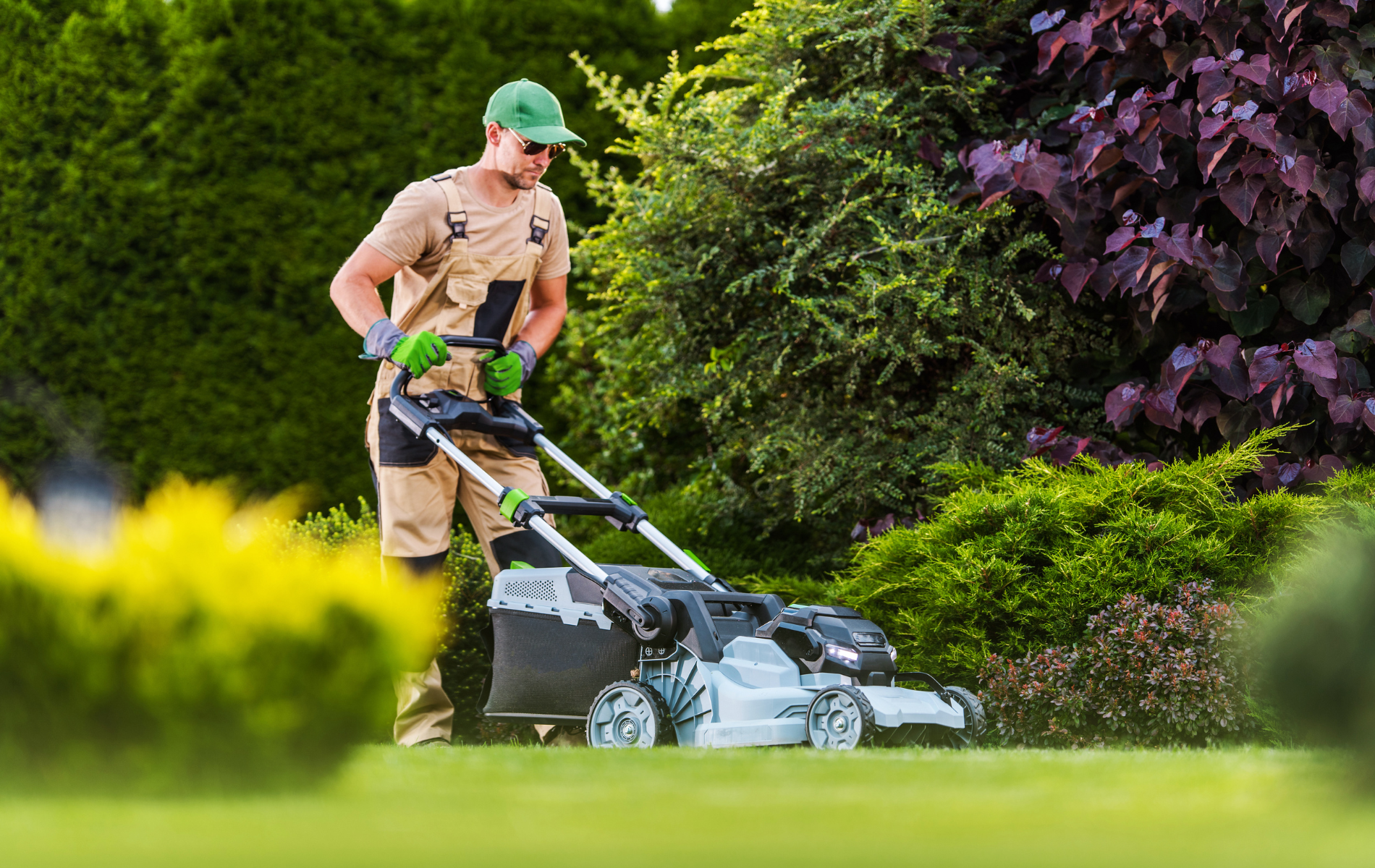
For most lawns in Central Texas, mowing every 7 to 10 days during the active growing season provides the best results.
However, this schedule may vary depending on several factors, including:
- Grass type
- Rainfall
- Temperature
- Fertility
- Irrigation
- Time of year
Some weeks your lawn may require mowing every seven days, while slower-growing periods may allow you to wait up to two weeks.
Rather than following the calendar alone, it's better to monitor the height of your grass.
Follow the One-Third Rule
Professional lawn care companies rely on a simple guideline known as the one-third rule.
This rule states that you should never remove more than one-third of the grass blade during a single mowing.
For example:
- If your grass should be maintained at 3 inches, mow it once it reaches approximately 4 to 4½ inches.
- Avoid allowing grass to grow excessively tall before cutting it.
Removing too much grass at once shocks the plant and weakens its ability to produce energy through photosynthesis.
Following the one-third rule encourages healthier, more resilient lawns throughout the year.
Grass Types Common in Central Texas
Different grasses grow at different rates, which affects how frequently they should be mowed.
Bermuda Grass
Bermuda grass grows rapidly during warm weather.
It often requires mowing every 5 to 7 days during late spring and summer.
Because it spreads aggressively, consistent mowing helps maintain a dense, attractive appearance.
St. Augustine Grass
St. Augustine grows slightly more slowly than Bermuda but still benefits from regular mowing.
Most homeowners mow every 7 to 10 days during peak growing season.
Maintaining the proper height helps this grass resist weeds and tolerate heat.
Zoysia Grass
Zoysia produces a dense, attractive lawn but generally grows more slowly.
Mowing every 7 to 14 days is often sufficient depending on rainfall and temperatures.
Buffalo Grass
Buffalo grass requires less maintenance than many other warm-season grasses.
During active growth, mowing every 10 to 14 days is usually adequate.
Seasonal Mowing Schedule
Your mowing schedule should change throughout the year as grass growth slows or accelerates.
Spring
Spring marks the beginning of active growth.
As temperatures warm, grass begins growing more quickly.
Most lawns require mowing every:
- 7 to 10 days
- More frequently after periods of heavy rain
Spring is also an excellent time to establish a consistent maintenance routine.
Summer
Summer is typically the busiest mowing season.
Warm-season grasses thrive during Texas summers, especially when adequate rainfall or irrigation is available.
Most lawns benefit from mowing:
- Every 5 to 7 days during rapid growth
- Every 7 to 10 days during dry conditions
Avoid cutting grass too short during hot weather.
Slightly taller grass shades the soil, helping retain moisture and reduce heat stress.
Fall
As temperatures begin cooling, grass growth gradually slows.
Most lawns require mowing:
- Every 10 to 14 days
- Less frequently as dormancy approaches
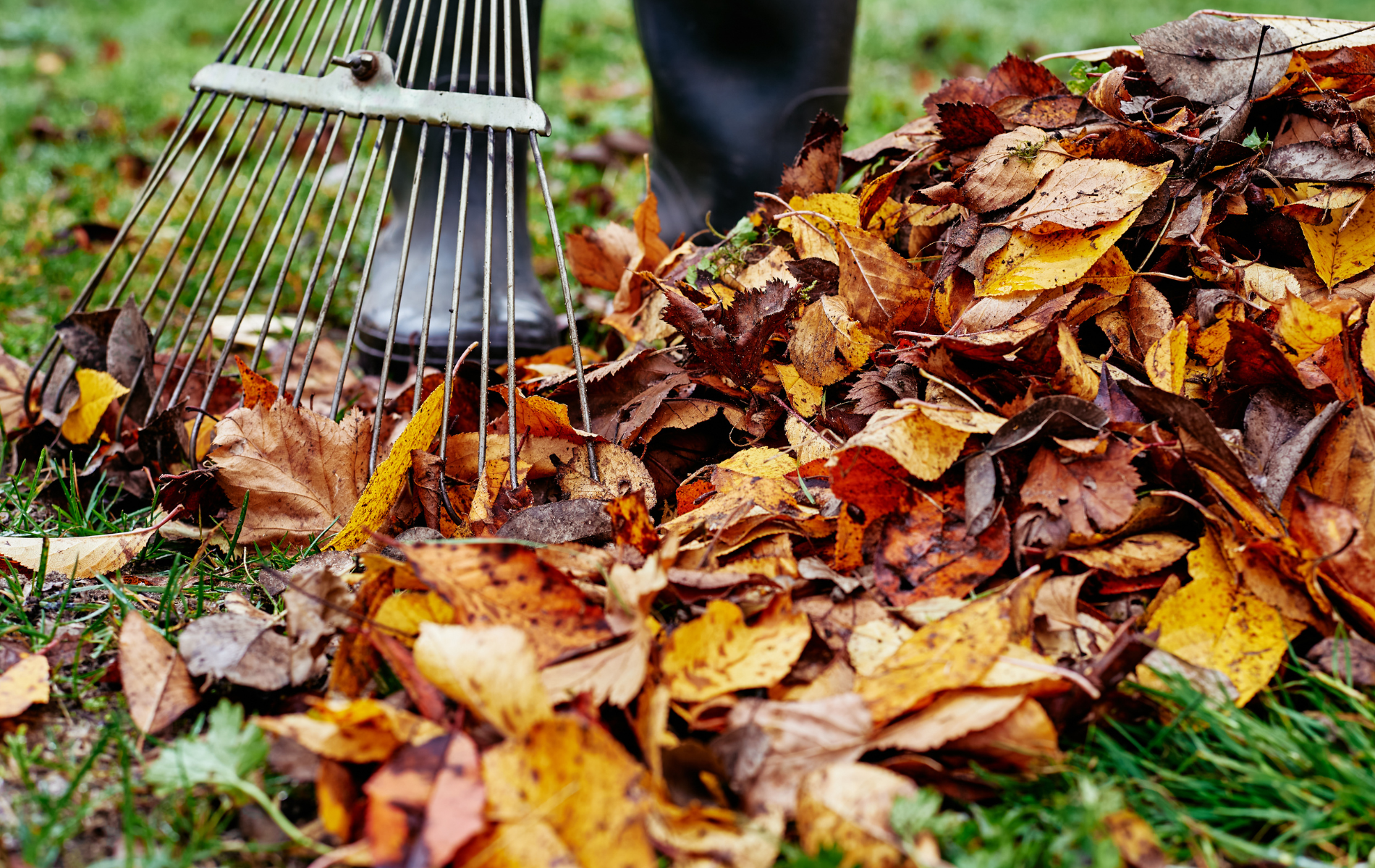
Fall is also an excellent time to remove leaves and prepare the lawn for winter.
Winter
Warm-season grasses enter dormancy during winter.
Depending on weather conditions, many lawns require very little mowing.
Some properties may only need occasional maintenance until spring returns.
Weather Plays a Major Role
Texas weather can dramatically affect grass growth.
Rainfall
Heavy rainfall often causes grass to grow much faster than normal.
You may need to increase mowing frequency during wet periods.
Drought
During drought conditions, grass growth slows considerably.
Avoid mowing unnecessarily when lawns are stressed from lack of moisture.
Heat
Extreme summer temperatures may temporarily slow growth if rainfall is limited.
Continue monitoring lawn height rather than following a strict schedule.
Why Cutting Grass Too Short Is a Mistake
Many homeowners believe mowing shorter means mowing less often.
Unfortunately, this often creates more problems than it solves.
Grass that is cut too short may experience:
- Heat stress
- Shallow roots
- Increased weed growth
- Brown patches
- Moisture loss
- Reduced disease resistance
Proper mowing height allows the grass to shade its own root system and maintain healthier growth.
Keep Mower Blades Sharp
Sharp mower blades are just as important as mowing frequency.
Dull blades tear grass rather than cutting it cleanly.
This results in:
- Brown leaf tips
- Slower recovery
- Increased moisture loss
- Greater susceptibility to disease
Professional lawn maintenance companies routinely sharpen mower blades to ensure clean, healthy cuts.
Should You Mow Wet Grass?
It's generally best to avoid mowing immediately after heavy rain.
Wet grass can:
- Clump together
- Clog mower decks
- Produce uneven cuts
- Spread fungal diseases
- Damage saturated soil
Allowing the lawn to dry before mowing usually produces better results.
Don't Forget Edging and Trimming
A freshly mowed lawn looks even better when combined with professional edging and trimming.
These finishing touches improve the appearance of areas around:
- Sidewalks
- Driveways
- Flower beds
- Trees
- Mailboxes
- Fences
- Patios
Well-defined edges give your landscape a clean, polished appearance.
Benefits of a Consistent Mowing Schedule
Routine lawn maintenance offers benefits beyond appearance.
Consistent mowing helps:
- Prevent weed growth
- Improve lawn density
- Reduce pest habitat
- Promote deeper roots
- Encourage even growth
- Increase curb appeal
- Maintain property value
Whether you own a home or manage commercial property, a regular mowing schedule contributes to a healthier landscape.
Lawn Maintenance Is More Than Mowing
Professional lawn maintenance includes much more than cutting grass.
A complete maintenance program may include:
- Lawn mowing
- Edging
- String trimming
- Blowing debris
- Seasonal cleanups
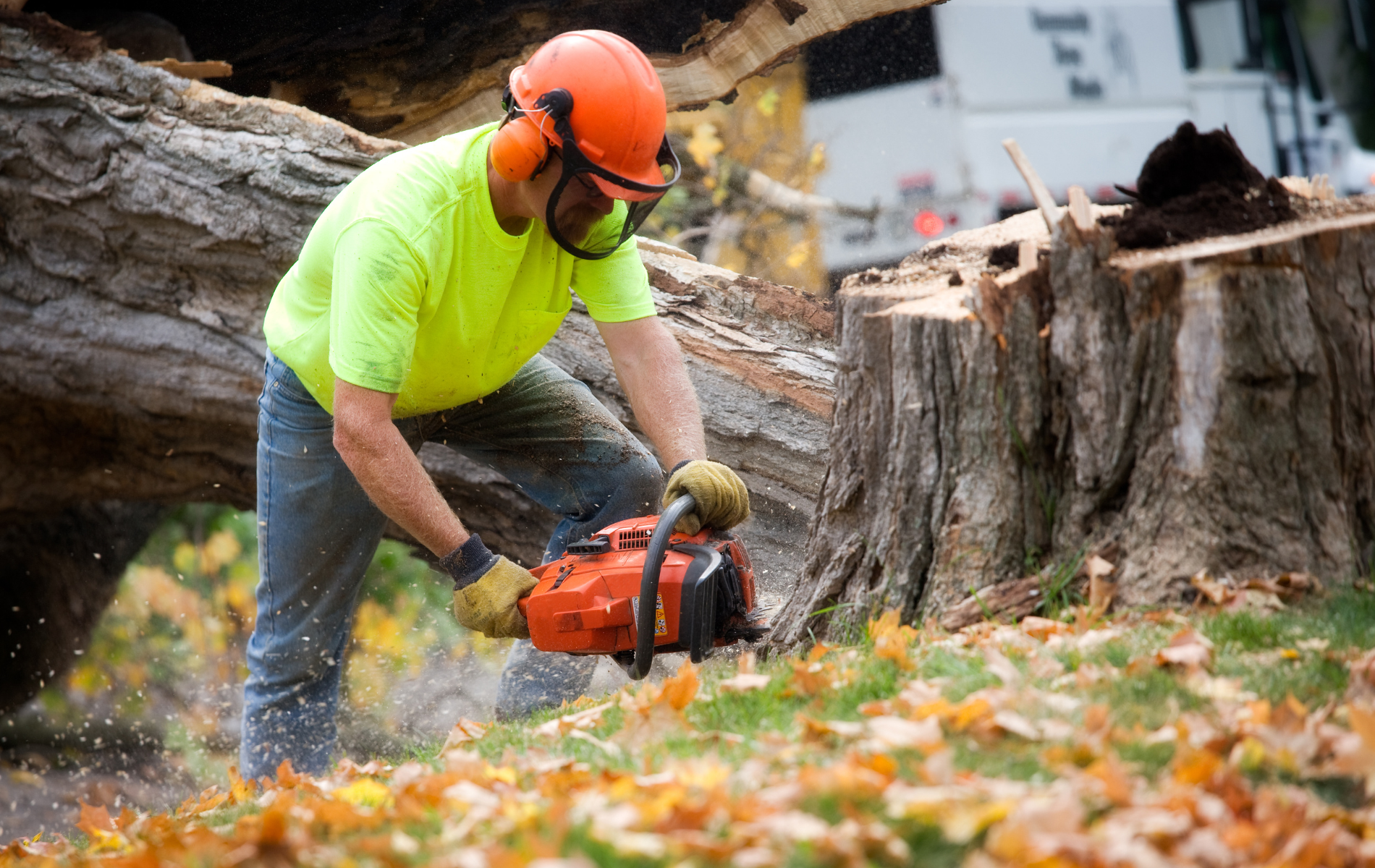
- Tree trimming
- Storm cleanup
- Property inspections
Combining these services keeps your landscape looking its best year-round.
Why Hire a Professional Lawn Care Company?
Keeping up with mowing throughout the growing season requires time, equipment, and consistency.
Hiring a professional lawn care company offers several advantages.
Professionals provide:
- Reliable scheduling
- Proper mowing heights
- Sharp equipment
- Thorough cleanup
- Consistent results
- Experienced observation of lawn health
Routine service also allows professionals to identify developing problems such as disease, insect damage, or drainage issues before they become serious.
Lawn Care for Homes and Businesses
Residential and commercial properties alike benefit from routine mowing.
For homeowners, a healthy lawn creates an enjoyable outdoor living space and enhances curb appeal.
For businesses, a neatly maintained landscape projects professionalism and helps create a positive first impression for customers and visitors.
DD Lawn Tree Service proudly provides lawn maintenance services for both residential and commercial properties throughout Caldwell, Bryan, Brenham, and nearby communities.
Frequently Asked Questions
How often should I mow my lawn during the summer in Texas?
Most warm-season grasses should be mowed every 5 to 7 days during periods of active growth. During drought or slower growth, every 7 to 10 days may be sufficient.
Is it bad to let my grass grow too tall?
Yes. Allowing grass to become excessively tall often requires removing too much during the next mowing, which can stress the lawn and weaken its overall health.
What is the best height to mow my lawn?
The ideal mowing height depends on the grass species. Most warm-season grasses perform best when maintained according to recommended height ranges, avoiding the removal of more than one-third of the blade at a time.
Should grass clippings be bagged or left on the lawn?
Short grass clippings can usually remain on the lawn, where they decompose and return nutrients to the soil. Thick clumps, however, should be removed to prevent smothering the grass.
Does regular mowing help reduce weeds?
Yes. Healthy, dense turf created through consistent mowing naturally crowds out many weeds by limiting their access to sunlight, water, and nutrients.
Maintain a Beautiful Lawn Throughout the Year
A healthy lawn starts with a consistent mowing schedule tailored to the unique conditions of Central Texas. By mowing at the proper height, adjusting your schedule with the seasons, and following best practices, you can encourage thicker, healthier grass that enhances the appearance and value of your property. If you're looking for dependable lawn maintenance in Caldwell, Bryan, Brenham, or the surrounding communities, DD Lawn Tree Service offers professional mowing and landscape maintenance services designed to keep your lawn looking its best every season.
Recent Posts