Tree Trimming vs. Tree Removal: Which Service Do You Need?
Trees are one of the most valuable features of any landscape. They provide shade during hot Texas summers, improve curb appeal, increase property value, and create healthier outdoor spaces for homes and businesses alike. However, like any living part of your landscape, trees require regular care to stay healthy and safe.
One of the most common questions property owners ask is whether a tree simply needs trimming or if it should be removed entirely. While trimming can often restore a tree's health and appearance, some trees become too damaged, diseased, or hazardous to save. Understanding the difference can help you make the right decision before a small issue turns into an expensive or dangerous problem.
For homeowners and business owners throughout Caldwell, Bryan, Brenham, and the surrounding Central Texas communities, knowing when to choose tree trimming and when removal is the better option can protect your property while preserving the beauty of your landscape.
Understanding the Difference Between Tree Trimming and Tree Removal
Although both services involve caring for trees, they serve very different purposes.
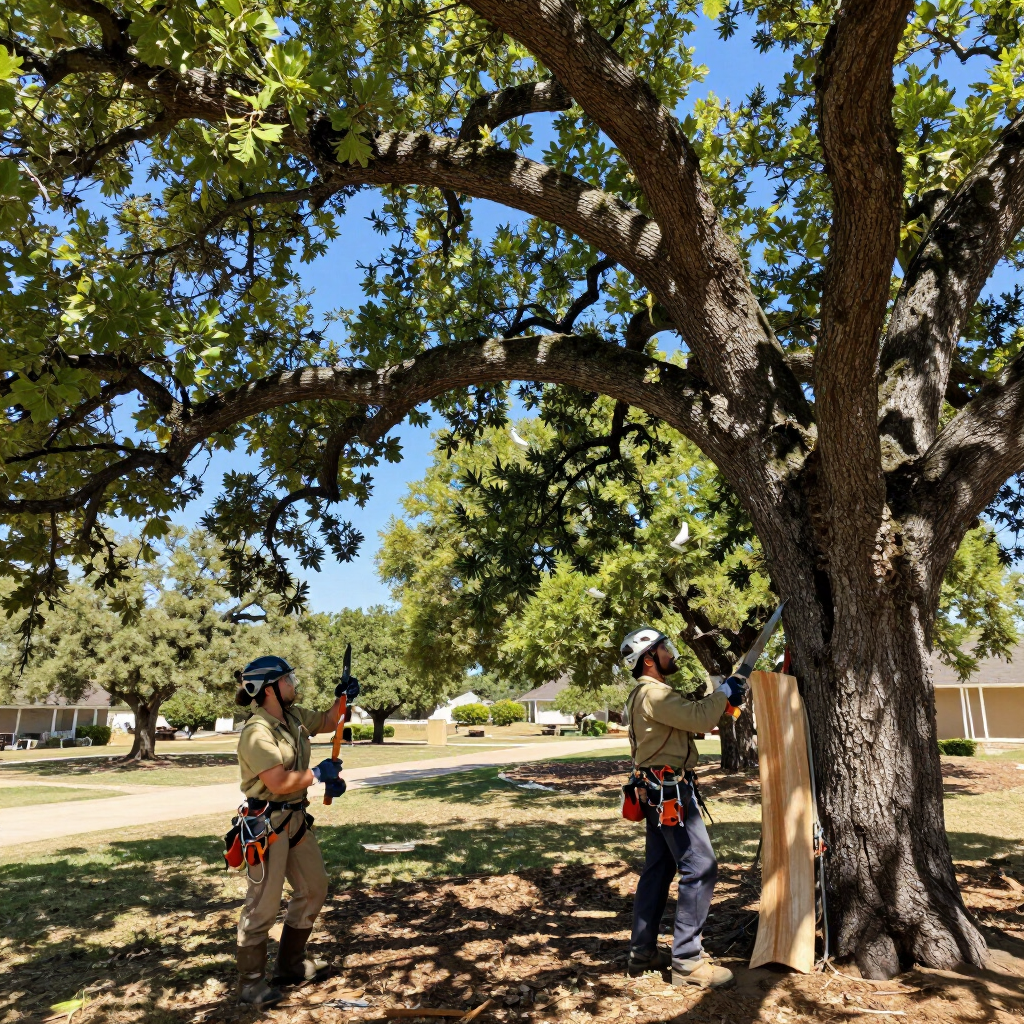
Tree trimming focuses on maintaining the health, structure, and appearance of a living tree. The goal is to remove unhealthy or unnecessary branches while allowing the tree to continue growing safely.
Tree removal, on the other hand, involves completely removing the tree from the property because it presents a safety risk, has died, or can no longer be preserved.
Whenever possible, preserving a healthy tree is usually the preferred option. Mature trees provide environmental benefits, shade, and long-term value that take years to replace. However, there are situations where removal becomes the safest and most practical solution.
When Tree Trimming Is the Right Choice
Many trees simply need routine maintenance to remain healthy.
Professional trimming removes problem branches while allowing the tree to continue thriving.
Tree trimming is often recommended when:
- Dead branches are present
- Limbs are growing too close to your home
- Branches interfere with sidewalks or driveways
- The canopy has become overly dense
- Branches cross or rub against each other
- You want to improve the tree's appearance
- Storm damage is limited to a few limbs
- New growth needs shaping
Routine trimming is an important part of long-term tree care and helps reduce future maintenance costs.
Benefits of Tree Trimming
Proper pruning offers much more than improved appearance.
Some of the biggest benefits include:
Healthier Growth
Removing dead or diseased limbs allows the tree to direct nutrients toward healthy branches, encouraging stronger growth.
Improved Safety
Weak branches are more likely to fall during storms or high winds. Removing them before they fail reduces the risk of injury and property damage.
Better Airflow
Opening the canopy improves air circulation, reducing moisture buildup that can contribute to fungal diseases.
Increased Sunlight
Selective trimming allows more sunlight to reach your lawn, flower beds, and other landscaping beneath the tree.
Longer Tree Life
Routine maintenance often extends the lifespan of healthy trees by reducing stress and preventing structural issues from becoming severe.
Signs That Your Tree Only Needs Trimming
Many trees that appear unhealthy are actually excellent candidates for trimming rather than removal.
Common signs include:
- A few dead branches
- Minor storm damage
- Uneven growth
- Low-hanging limbs
- Small areas of disease confined to one section
- Branches growing over the roof
- Limbs blocking visibility around driveways
When these issues are addressed early, the tree can often recover completely.
When Tree Removal Becomes Necessary
Unfortunately, not every tree can be saved.
Sometimes removing the entire tree is the safest option for both your property and surrounding landscape.
Tree removal may be necessary if:
- The tree is dead
- More than half the tree is severely damaged
- The trunk has significant decay
- The root system has failed
- The tree is leaning unexpectedly
- Large cracks run through the trunk
- The tree has become structurally unstable
- Disease has spread throughout the entire tree
Ignoring these warning signs can create significant safety hazards.
Warning Signs That a Tree May Need Removal
Some problems are not immediately obvious to homeowners.
Watch for these indicators:
Large Dead Branches Throughout the Canopy
When multiple major limbs have died, the tree may no longer have enough healthy growth to recover.
Hollow or Decaying Trunk
Internal decay weakens the structural integrity of the tree even if the outside still appears healthy.
Significant Leaning
A tree that suddenly begins leaning after a storm may have suffered root damage.
Root Damage
Construction projects, soil erosion, and severe storms can compromise a tree's root system, making it unstable.
Fungal Growth
Large mushrooms growing around the base of a tree often indicate internal decay beneath the surface.
Extensive Insect Damage
Termites, carpenter ants, and wood-boring insects frequently attack weakened or dying trees.
Storm Damage: Trim or Remove?
Texas weather can change quickly.
Strong thunderstorms, straight-line winds, tornadoes, and occasional ice storms can all cause serious tree damage.
After severe weather, some trees only require trimming.
Examples include:
- Broken branches
- Split limbs
- Minor canopy damage
- Small hanging branches
However, removal may be necessary if:
- The trunk has split
- The tree has uprooted
- Major scaffold limbs have failed
- The tree is leaning dangerously
- Structural damage affects most of the canopy
A professional inspection is the safest way to determine whether a damaged tree can be saved.
Disease Can Influence the Decision
Tree diseases vary widely in severity.
Some fungal infections or bacterial diseases affect only a few branches and can often be managed through selective pruning.
Others spread throughout the entire tree, weakening its structure beyond repair.
Removing severely infected trees may also help protect nearby healthy trees from becoming infected.
Early diagnosis is critical for preserving valuable landscape trees whenever possible.
Property Safety Should Always Come First
One of the primary reasons homeowners choose professional tree services is safety.
A failing tree can damage:
- Homes
- Garages
- Vehicles
- Fences
- Utility lines
- Outdoor living spaces
It can also create serious risks for family members, visitors, and neighboring properties.
Regular inspections help identify hazardous trees before they become emergencies.
Why DIY Tree Removal Is Risky
Many homeowners are comfortable trimming small branches, but removing an entire tree is another matter.
Tree removal requires specialized equipment, planning, and experience.
Potential hazards include:
- Falling limbs
- Unpredictable tree movement
- Hidden decay
- Contact with power lines
- Damage to nearby structures
- Personal injury
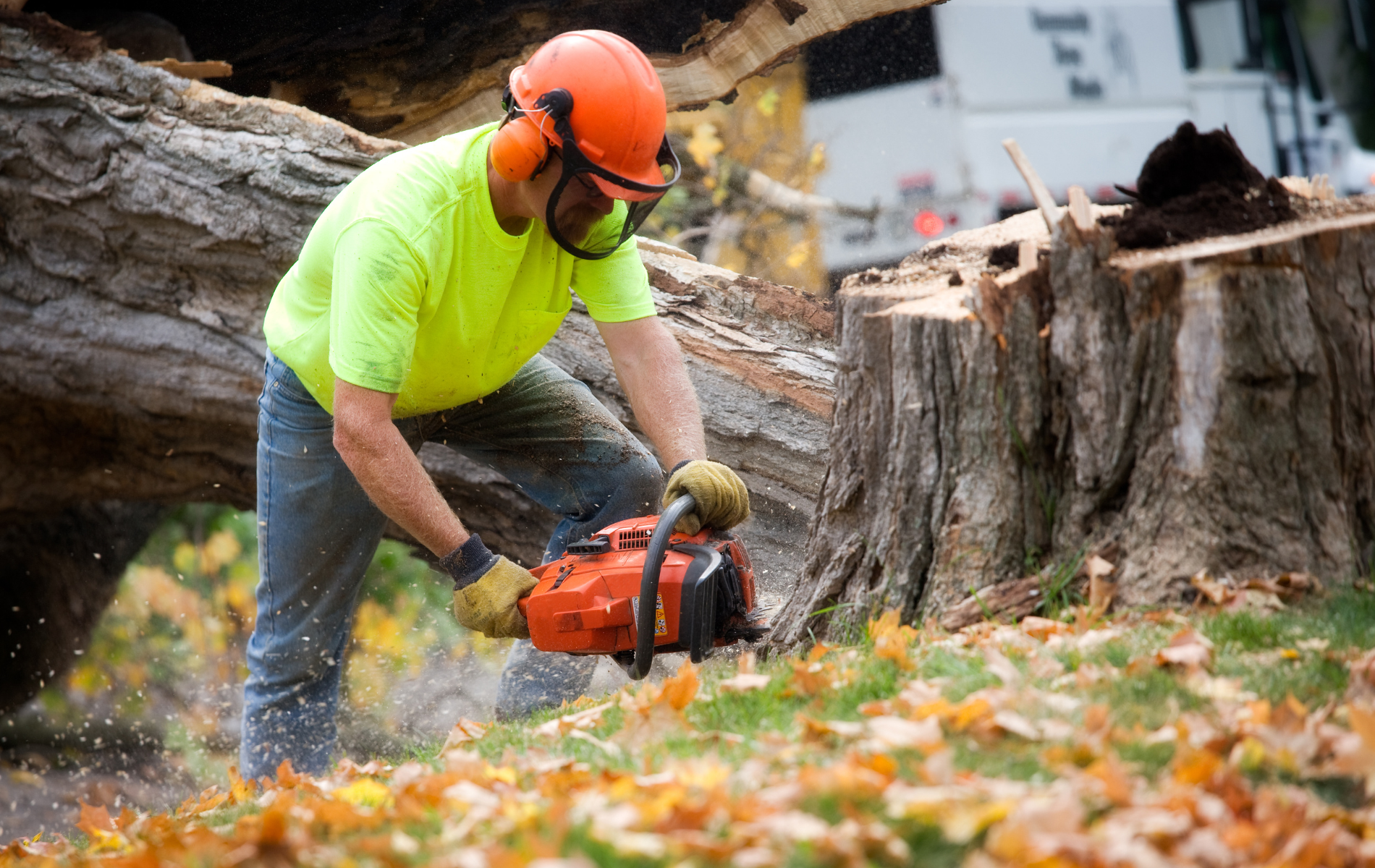
Professional crews use proper safety procedures and equipment to remove trees efficiently while minimizing risk to surrounding property.
Can a Tree Be Saved?
Property owners often hope a declining tree can be restored.
In many cases, the answer is yes.
Professional trimming combined with proper care can improve:
- Tree structure
- Air circulation
- Sunlight exposure
- Overall health
- Disease management
- Long-term growth
The sooner problems are identified, the greater the likelihood that a tree can be preserved.
What Happens After Tree Removal?
Once a tree is removed, many property owners choose additional services to fully restore the landscape.
These may include:
- Stump removal
- Land grading
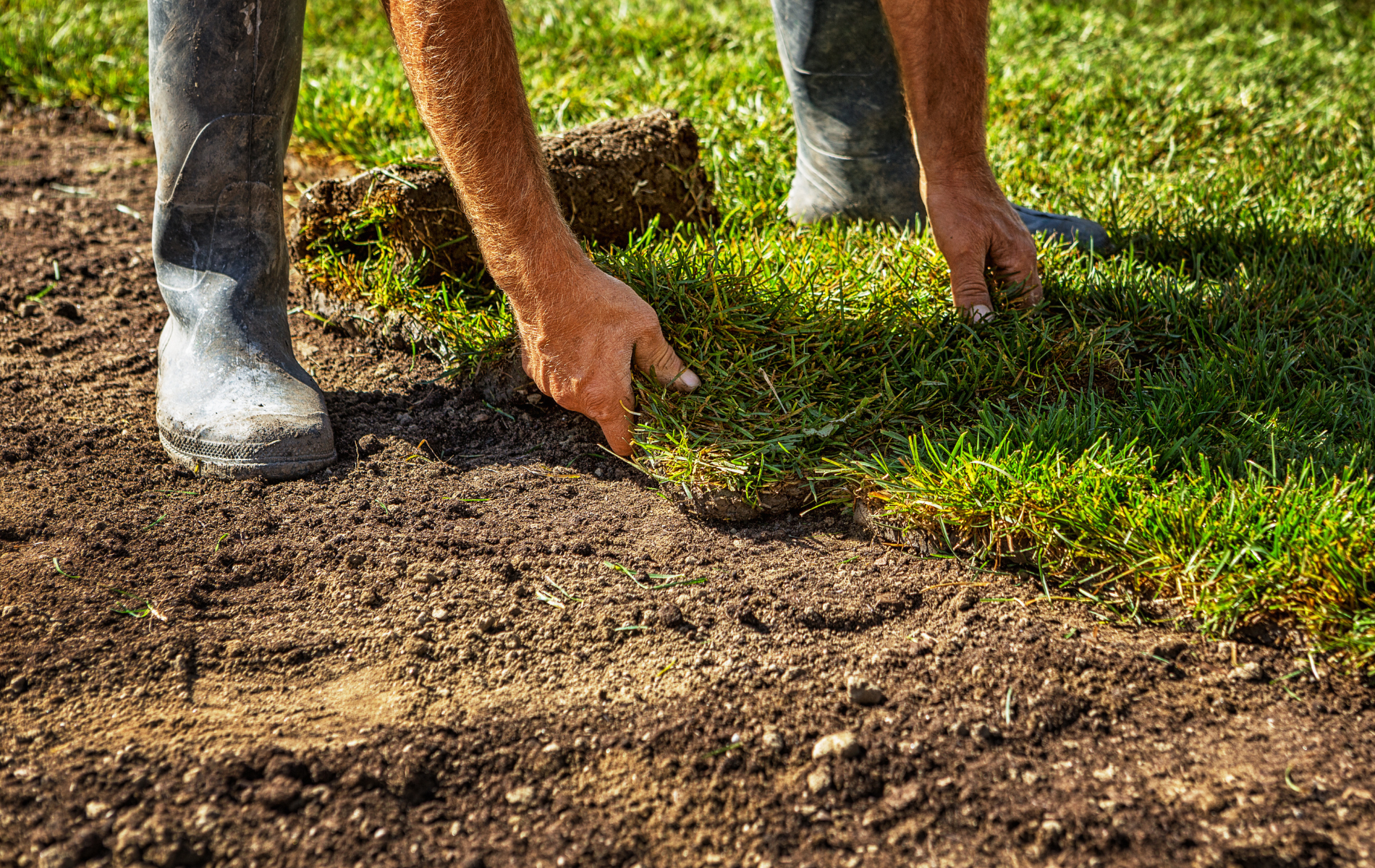
- Sod installation
- Tree planting
- Lawn repair
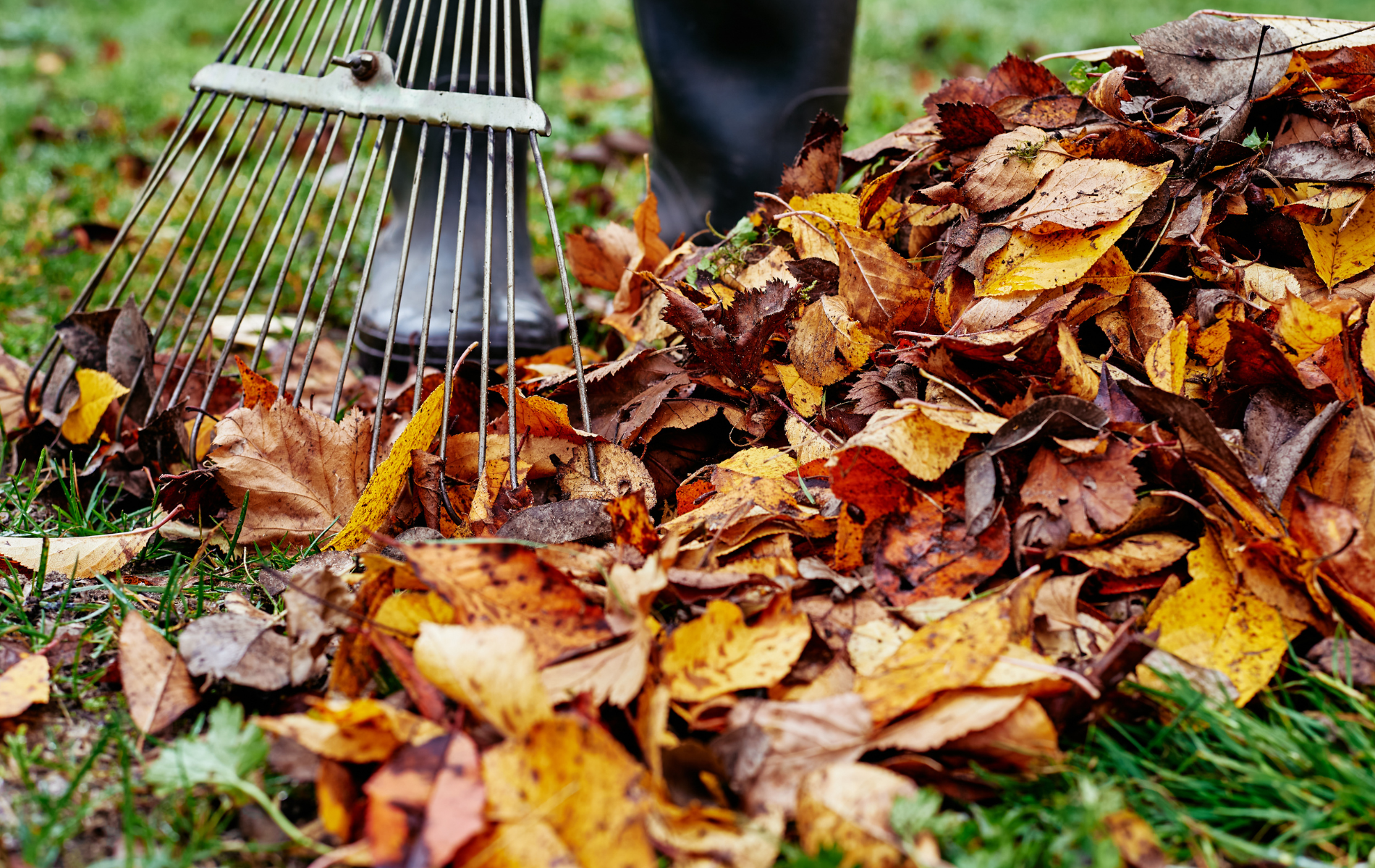
- Seasonal cleanup
Replacing an aging or hazardous tree with a healthy young tree can improve your property's appearance while maintaining valuable shade for future years.
Caring for Trees Throughout Central Texas
The climate in Central Texas creates unique challenges for trees.
Periods of drought, intense summer heat, severe thunderstorms, and occasional winter freezes all place stress on mature trees.
Routine maintenance helps trees better withstand these changing conditions.
Property owners in Caldwell, Bryan, Brenham, and surrounding communities benefit from regular inspections that identify developing problems before they become emergencies.
Choosing the Right Service
Every tree is different.
Factors that influence whether trimming or removal is appropriate include:
- Tree species
- Age
- Overall health
- Structural condition
- Location
- Nearby buildings
- Root stability
- Future growth potential
A professional assessment considers all of these factors before recommending the safest and most cost-effective solution.
Complete Tree and Lawn Care Services
DD Lawn Tree Service provides comprehensive tree and lawn care services for residential and commercial properties throughout Central Texas.
Whether your trees need seasonal trimming, emergency storm cleanup, complete removal, or stump grinding, professional care helps keep your property attractive and safe year-round.
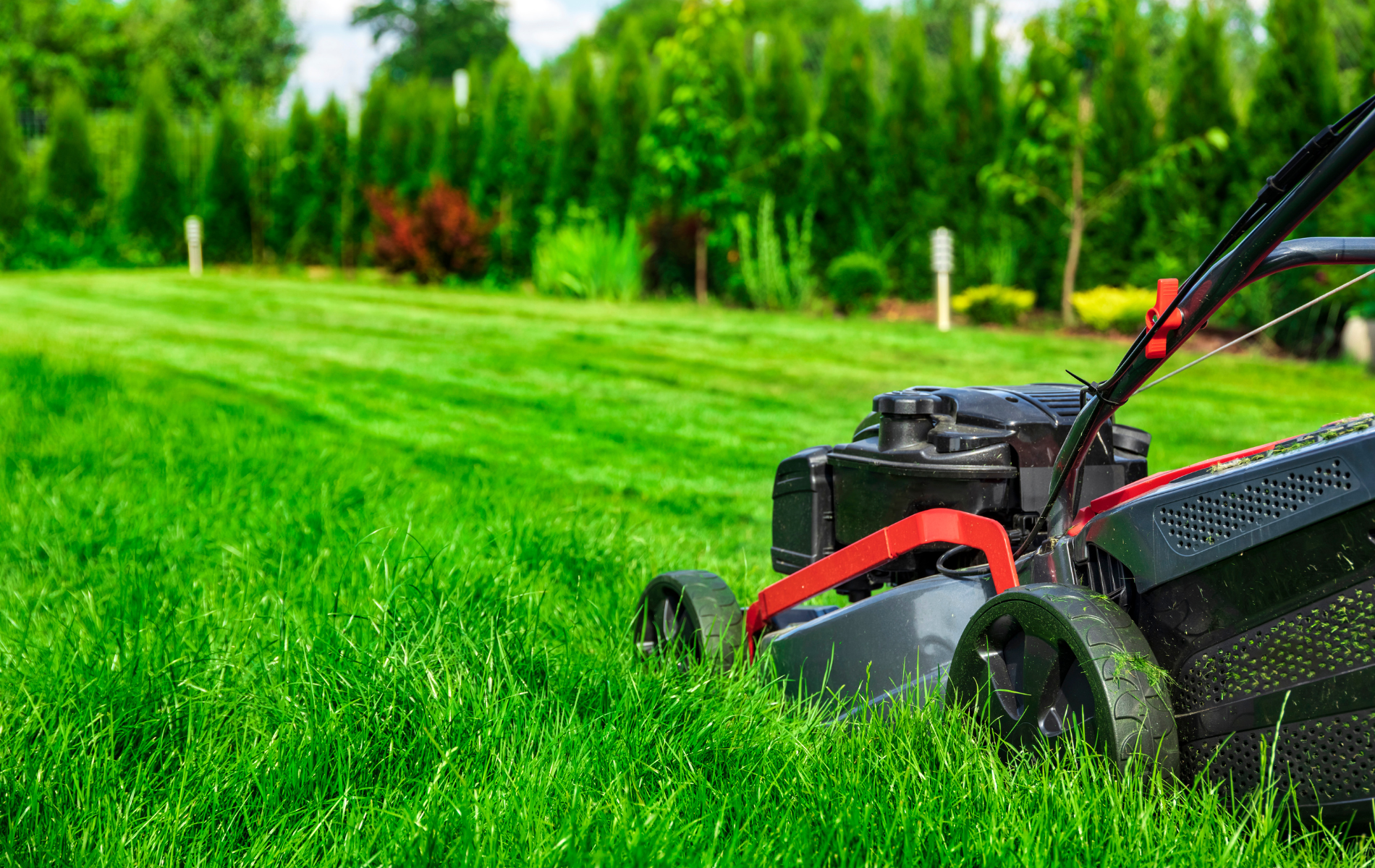
Homeowners also benefit from combining tree care with routine lawn maintenance, seasonal cleanups, land clearing, and sod installation to maintain a healthy, beautiful landscape.
Frequently Asked Questions
Is it better to trim a tree or remove it?
If the tree is healthy and structurally sound, trimming is usually the better choice. Removal is generally recommended only when the tree is dead, severely diseased, unstable, or poses a safety hazard.
Can a dead tree be saved?
Once a tree has completely died, it cannot be restored. Removing it promptly reduces the risk of falling limbs and property damage.
How often should trees be professionally inspected?
Most mature trees should be inspected every one to three years, with additional inspections following severe storms or visible changes in their condition.
Does trimming prevent future tree removal?
Routine trimming can significantly extend the life of many trees by removing weak branches, improving structure, and reducing disease and storm damage. While it cannot prevent every issue, regular maintenance often helps avoid premature removal.
Should a stump be removed after a tree is cut down?
In many cases, yes. Removing the stump improves the appearance of your landscape, eliminates tripping hazards, discourages pests, and creates usable space for new landscaping or lawn improvements.
Protect Your Trees and Your Property
Healthy trees are an investment in your property's beauty, comfort, and value. Knowing whether a tree needs trimming or removal is an important part of protecting that investment. If you're unsure about the condition of a tree on your property, the experienced team at DD Lawn Tree Service can evaluate its health and recommend the most appropriate solution. Proudly serving Caldwell, Bryan, Brenham, and surrounding Central Texas communities, we provide dependable tree care that prioritizes safety, long-term health, and exceptional customer service.
Recent Posts